October 31, 2026



You can spot it from across the courtyard: a lemon tree in a terracotta pot, leaves yellow and falling, sitting in a saucer of brown water. The owner, baffled, waters it more. That is the pattern most container citrus goes through, and it usually ends the same way. Citrus in open ground can send roots deep and wide and escape a bad week of rain. In a pot, it has a few litres of compost and nowhere to go. Watering well is less about remembering to do it and more about learning what the soil is actually doing down there.
A citrus root needs two things at once: moisture and air. In a good potting mix, the spaces between the particles hold both. When you water too often, those spaces fill with water and stay full, and the roots slowly suffocate. Warm weather makes it worse. Soggy compost in a sunny June is a breeding ground for root rot, and root rot produces exactly the symptoms of a thirsty plant: yellowing leaves, leaf drop, a general look of defeat. It is a cruel trick, because the natural response is to reach for the watering can.
Underwatering has its own signature — curled leaves, dry leaf edges, flower drop, fruit that splits after a dry spell — but in practice, overwatering causes far more damage in pots. The skill worth building is not a fixed schedule. It is the habit of checking before you pour.
Before any watering, push a finger about three to four centimetres into the compost, near the edge of the pot rather than against the trunk. If it feels cool and damp, walk away. If it feels dry at that depth, it is time. This takes ten seconds and prevents most problems.
The second check is weight. Lift the pot just after a thorough watering, then lift it again two days later. The difference is obvious once you have felt it a few times, and it tells you what is happening through the whole root ball, not just the surface. For larger pots you cannot move, tilt them slightly with a foot on the rim, or use a wooden skewer: push it deep into the soil, leave it for ten minutes, and see whether it comes out damp with soil clinging to it. Inexpensive moisture meters can help as a tiebreaker, but the cheap ones drift and read differently in different composts, so trust your finger and the weight first.
A watering schedule still has a use — as a reminder to check, never as an instruction to pour. The same pot might need water every day in July and once every ten days in January.
If water cannot leave the pot, no amount of careful watering will save you. Work through this before adjusting your routine:
Pot material matters more than people expect. Terracotta breathes through its walls and dries faster, so a terracotta pot may need water a day or two sooner than the same plant in plastic. A bark-chip mulch on the surface slows evaporation, but keep it a few centimetres clear of the trunk so the bark does not stay wet against it. And resist the urge to move a small tree into a huge pot; a modest pot that dries out in a reasonable time is far easier to manage than a cavern of permanently damp compost.
Water slowly and thoroughly, until it runs out of the bottom. That run-off is your proof that the whole root ball is wet, not just the top few centimetres. A quick splash every morning does the opposite of what you want: it keeps the surface damp, encourages shallow roots, and leaves the deeper compost bone dry and increasingly hard to rewet.
Pour around the rim, not straight at the trunk, and go around the pot twice rather than emptying the whole can in one spot. Use water at roughly ambient temperature — cold mains water on a hot root ball is an unnecessary shock. Morning is the best time in summer: the plant gets water before the heat peaks, and any splashed foliage dries off during the day. On a scorching afternoon, a pot in full sun can dry out fast, and daily watering is perfectly reasonable then — as long as you are still checking first.
If a plant wilts slightly in the afternoon heat and is standing upright again by evening, it is not thirsty. That is normal midday transpiration. Watering in a panic at that moment is how wet feet begin.
New growth starts and demand climbs, but the soil is still cool and slow to dry. Increase watering gradually and keep checking, especially after a wet week.
Peak demand. Small pots in full sun may need water every day, sometimes twice on a heatwave day. Group pots together to shade each other's sides, and consider standing a tile or piece of cloth against the sunny side of a dark pot so the roots do not cook.
Ease off as growth slows. Rain returns, so check saucers after storms and move pots under an overhang if they are sitting wet for days.
This is where most winter losses happen. Cool soil, short days and slow growth mean the plant drinks very little. Carry on with summer watering and you will drown it. Water sparingly, only when the top few centimetres are properly dry, and choose a mild morning. Do not let the root ball sit bone dry for weeks either — a light, occasional watering is enough. If the tree is indoors or in a greenhouse, dry air from heating does not mean dry roots; check the compost before assuming.
Once a day in summer, once or twice a week in winter, do this: feel the top few centimetres, lift the pot, and only then decide. When it needs water, give it properly — slowly, all the way through, until it drains — then empty the saucer. Nothing else is required. You will stop thinking about schedules within a month, because the pot itself will tell you what it needs, and the yellowing leaves will stop arriving.
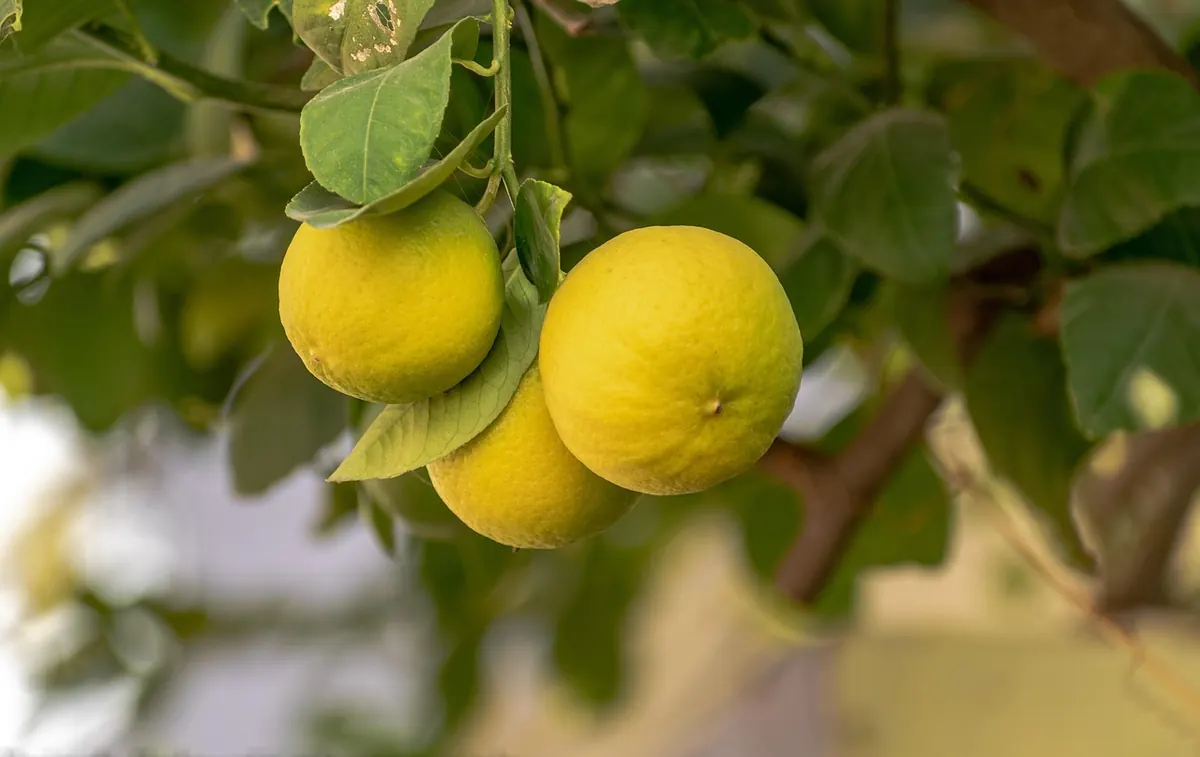
Photo: pixel2013 / Pixabay
Growing citrus and green life along the streets.
Copyright © 2026 Arancio Della Strada. All rights reserved. Arancio Della Strada.