October 31, 2026


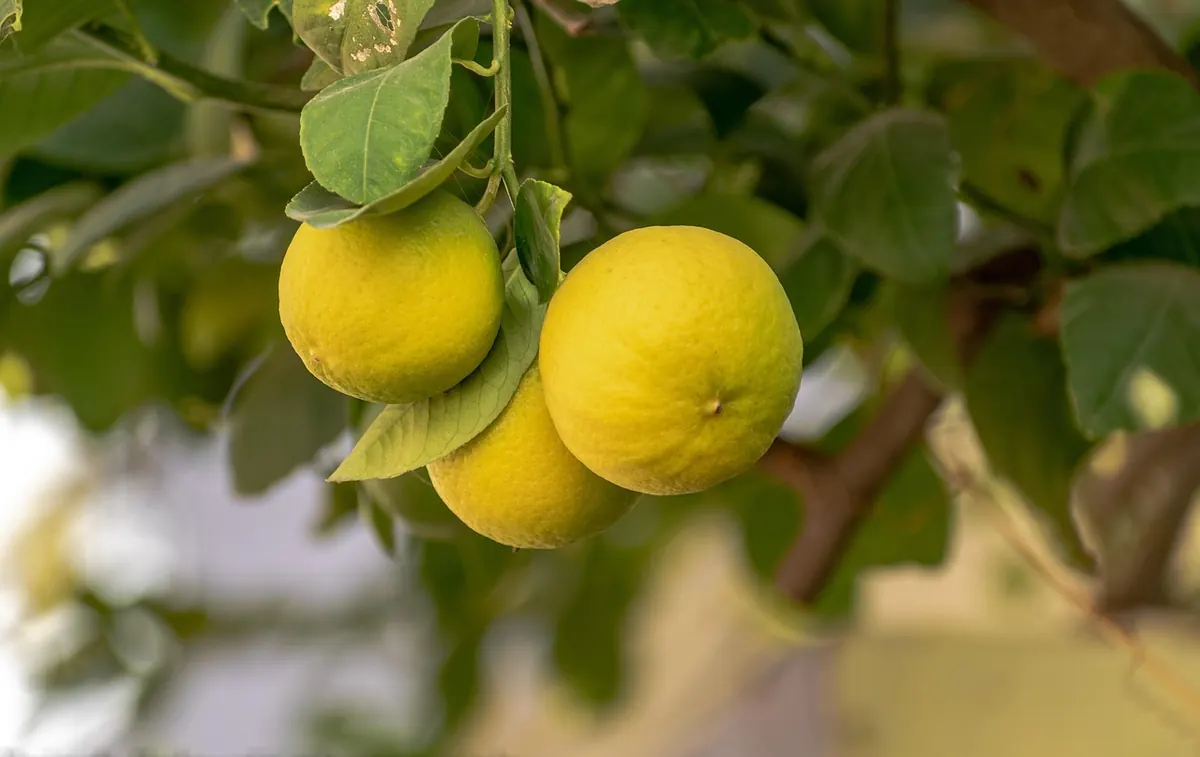
A lemon tree in a pot on a balcony is a modest thing: a metre and a half of glossy leaves, a few white flowers in May, and, if the season is kind, four or five fruits ripening somewhere between November and February. Modest, but not undemanding. Left alone for three years, that same tree becomes a thatch of crossing branches, pushes most of its leaves to the top where you can't reach them, and sets more fruit than a restricted root system can carry. Pruning is how you keep the bargain. Not an annual haircut, just a handful of well-placed cuts at the right moment, made with a clear idea of the shape you want two years from now.
Three things, in this order. Light and air through the canopy, because citrus that stays damp inside is citrus that grows scale, sooty mould and the kind of thin, pale growth that never fruits. A size that suits the pot and the balcony, since a container limits the roots, and roots limit what the canopy can support. And a steady supply of young, vigorous wood, because most citrus flower and fruit on growth made in the previous season or two.
That last point is where most balcony growers go wrong, in both directions. Some are afraid to cut at all, and end up with an old, congested tree fruiting only at the tips. Others give the tree a hard spring chop, lose most of the bearing wood, and then wonder why the following winter brings leaves and nothing else. The target is a tree that looks slightly undergrown in July and generous in December.
A potted citrus should never look full. It should look as though it has room to grow into.
The main prune belongs in late winter or very early spring, just as growth is waking up but after the worst frost risk has passed. In a Mediterranean climate that usually means February into March. The tree has its reserves, the sap is starting to move, and the wounds you make will be sealed over by the first flush of new leaves rather than sitting open through the cold.
Light corrective tipping is fine in early summer. If a shoot has bolted 40cm past where you wanted it, pinch or snip it back to a leaf during the growing season; the tree will answer with side shoots instead of one long whip. What you want to avoid is heavy structural work in autumn, when the tree is slowing down and healing is slow, and any pruning at all during a heatwave or in the middle of a heavy flowering. Dead, damaged and diseased wood is the exception: take that off whenever you see it, gloves on, into a bag, not the compost.
Almost everything you do on a balcony citrus comes down to three moves. Learn to recognise which one you are making before the blades close.
Those vigorous upright shoots that appear after a hard prune are not automatically weeds. A watershoot in the right place can be pinched at 20cm to encourage branching, and in two seasons it becomes a replacement limb where you had an old, exhausted one. Pinch, don't cut, unless it is somewhere structurally useless.
Citrus bark is thin, and suddenly exposing a shaded trunk to full summer sun can scorch it badly. If you have removed a lot from the top or the sunny side, drape a piece of shade cloth over the pot for a few weeks, or leave a light veil of foliage as temporary protection. Do not strip the interior and the exterior in the same year.
Pruning reduces the leaves that transpire, so ease back on watering for a week or two and then return to your normal rhythm — damp, never sodden. Wait until new growth is clearly underway before feeding with a citrus fertiliser, then keep to the label rate; overfeeding a potted tree pushes soft, sappy growth that aphids adore. Watch the new tips for leaf miners and aphids, which always arrive on the first flush, and rub them off early with a finger and thumb. Don't repot in the same fortnight as a hard prune; give the tree one big disturbance per season.
Once a month, take a mug of coffee out to the balcony and walk a full circle around the pot. Snip the one shoot that has broken ranks. Rub off anything sprouting below the graft. Turn the pot a quarter turn so the other side gets the sun. Take away a dead twig. That is the whole routine, and it takes less time than the coffee does to cool.
Do that faithfully and the bigger winter prune becomes a tidy-up rather than a rescue operation — a few thinning cuts, a shortened leader, fruit thinned to what the pot can honestly support. The tree stays compact, the canopy stays open, and the harvest stays where you can reach it without a stepladder on a balcony railing.
Photo: balouriarajesh / Pixabay
Growing citrus and green life along the streets.
Copyright © 2026 Arancio Della Strada. All rights reserved. Arancio Della Strada.