October 31, 2026


A potted citrus is not a houseplant with fruit attached. It is a small tree with firm opinions about light, drainage, and winter. That is good news for a balcony grower: once you match the right variety to your conditions, most of the hard work is done before you pick up a watering can. The three compact options below are worth considering first for a small urban space, but they are not interchangeable. A Meyer lemon that sulks in four hours of sun may be replaced by a calamondin that fruits in the same corner. Start with an honest look at your balcony, then choose the tree.
Before you fall for a glossy leaf or a picture of fruit, measure the space. Note how many hours of direct sun the spot receives in summer, whether it is sheltered from wind, and how close it sits to a wall that radiates heat. Most citrus wants at least six hours of direct sun. Four hours will keep a plant alive, but expect sparse flowering and a light crop. A south- or west-facing balcony is the easiest starting point; an east-facing one can work for kumquat or calamondin if you accept slower growth. North-facing balconies are hard work for any citrus, and a grow light may be the only way to keep a plant productive through winter.
Also check the floor. A mature citrus in a pot is heavy, and a wet saucer can stain stone or drip onto a neighbour’s balcony. Wind matters more than many beginners expect: an exposed fifth-floor balcony can shred leaves and dry pots faster than a sheltered courtyard. If your spot is windy, choose a compact kumquat and give it a low wall or screen for protection. If you have a glassed-in balcony, watch for heat build-up in summer and poor airflow in winter.
These three are widely available, suited to containers, and different enough that one will usually fit better than the others.
Kumquats are the smallest of the group and the most forgiving about cool conditions. The fruit is eaten whole: the skin is sweet and the flesh is sharp, which makes it useful for marmalade, slicing into salads, or eating straight from the tree. A kumquat stays manageable in a 30–40 litre pot and can be kept to a neat shape with light pruning. It is not a shade plant, but it is a sensible choice for a sunny balcony with cool winter nights and a little wind. Expect a slower start than a calamondin, then steady crops once the plant settles.
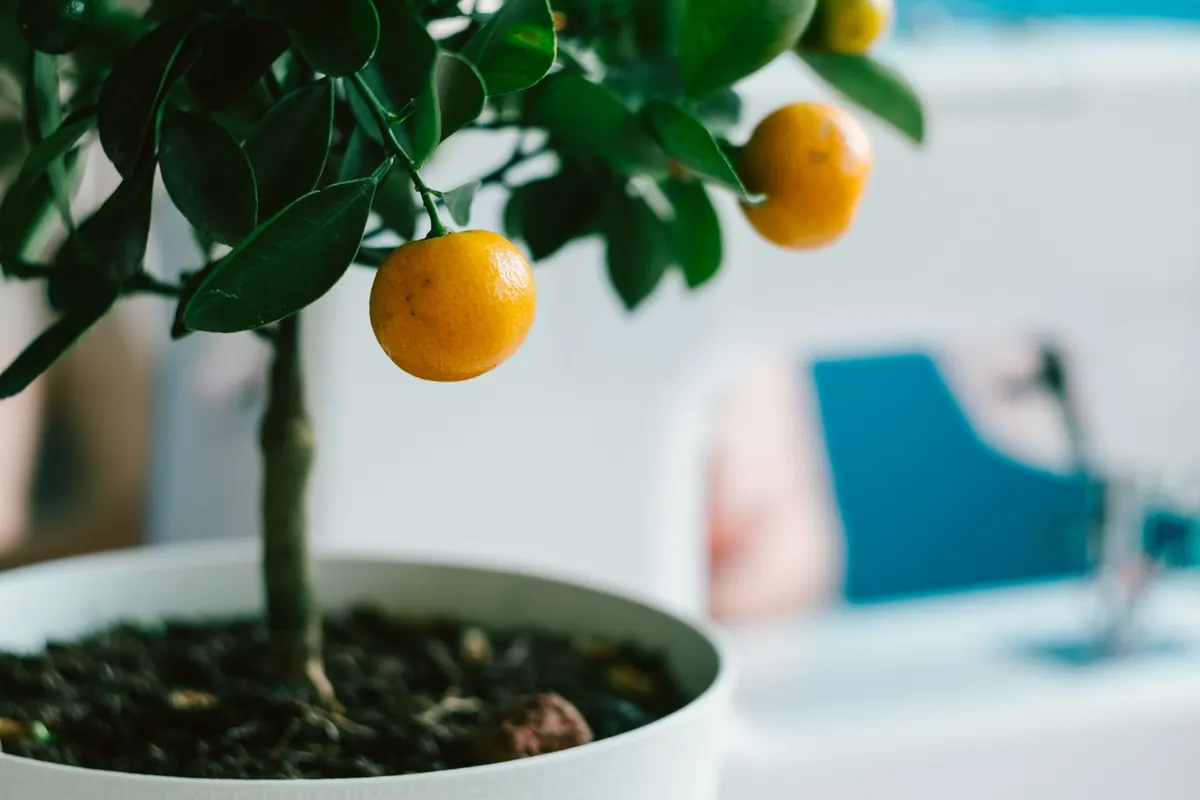
Calamondin is often described as a cross between a kumquat and a mandarin, and it behaves like a busy little producer. The fruit is small, sour, and full of juice; use it in drinks, marinades, or marmalade rather than eating it fresh. It flowers and fruits over a long season, which makes it rewarding in a pot. It handles indoor conditions better than a Meyer lemon, though “better” does not mean “well in a dark corner.” Give it a bright window or a sunny balcony, keep it away from radiators, and it will often flower on a windowsill through winter.
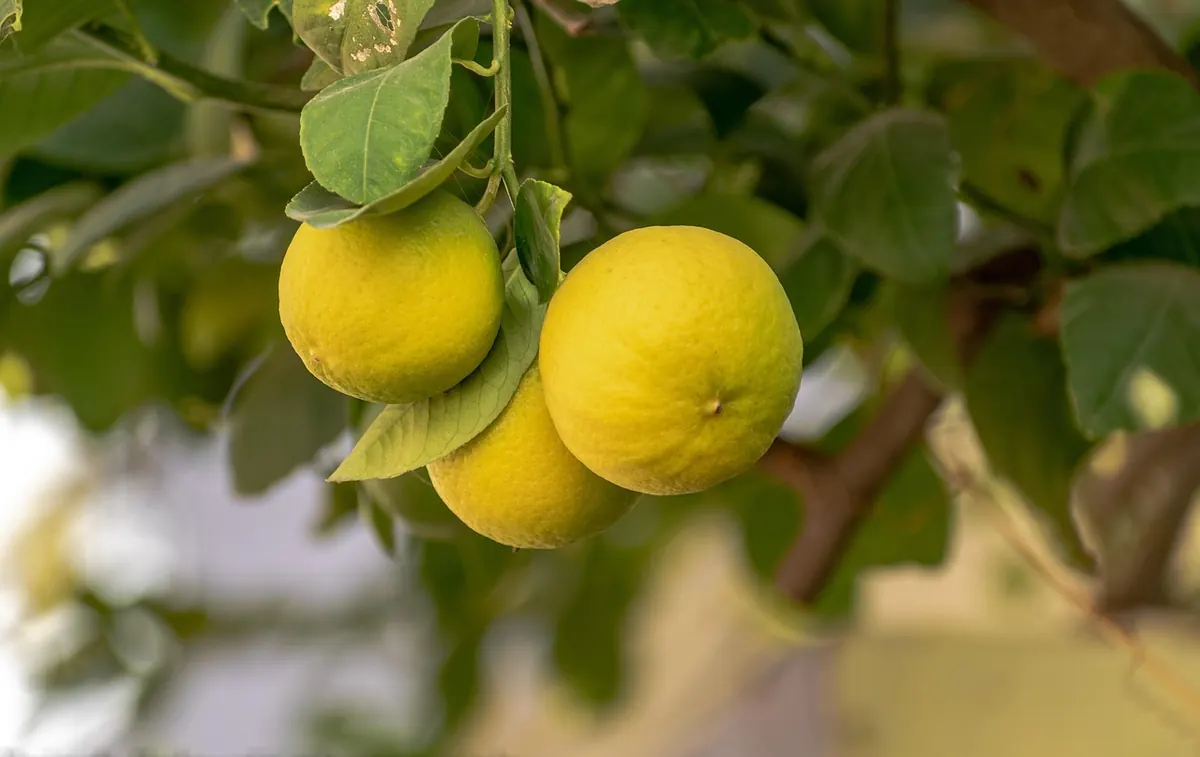
Meyer lemon is the most lemon-like choice here, with thin skin, softer acidity, and a sweeter juice than a standard supermarket lemon. It is also the most demanding of the three. It wants warmth, strong light, and a larger pot—around 40–50 litres for a mature plant—and it dislikes cold drafts and soggy roots. On a sheltered, sunny balcony it can crop well; in a dim flat or a windy, frost-pocket corner it will struggle. If you want lemons for the kitchen and can give the plant six hours of sun and winter protection, it is worth the extra attention.
Use your sunlight audit to narrow the choice. A bright, sheltered balcony with six to eight hours of summer sun suits any of the three; choose Meyer lemon if lemons are the goal, or calamondin if you want frequent small harvests. A balcony with four to five hours of direct sun is better suited to calamondin or kumquat. A kumquat will usually tolerate cooler nights more readily, while a Meyer lemon needs to be moved indoors or into a conservatory before the first frost. Do not rely on labels alone: a plant sold as “cold hardy” still needs protection from prolonged freezing in a pot, because roots are more exposed than they would be in the ground.
Winter is the real test. Indoors, citrus needs the brightest window you have and as much direct light as possible. Turn the pot every week or two so the plant does not lean. Keep it away from hot radiators and cold drafts, and reduce watering as growth slows. If you move plants inside, check the leaves and pot rim for pests first; a fortnight in close quarters is enough for scale or spider mites to spread to your other plants.
A citrus tree in a pot lives or dies by its root zone. The container needs drainage holes, a free-draining mix, and enough volume for the roots to explore without staying wet. Garden soil in a pot is a recipe for compaction; use a citrus or general-purpose potting mix with added grit or perlite if it feels dense. In hot, exposed spots, a light-coloured or terracotta pot stays cooler than a dark plastic one.
Water deeply until it runs from the base, then wait until the top three to five centimetres of mix feel dry before watering again. In summer, a small pot on a sunny balcony may need water daily; in winter, it may need it every week or less. The finger test beats a fixed calendar. If the leaves curl inward and the mix is dry, the plant is thirsty; if leaves yellow and the mix stays wet, drainage or overwatering is the likely problem. Feed with a citrus fertiliser from spring to early autumn, following the label rather than guessing. Stop feeding in deep winter when growth has stalled. Once or twice a season, water slowly until plenty drains through to flush accumulated salts from the pot.
Light pruning
Photo: Helen / Pexels
Growing citrus and green life along the streets.
Copyright © 2026 Arancio Della Strada. All rights reserved. Arancio Della Strada.