October 31, 2026


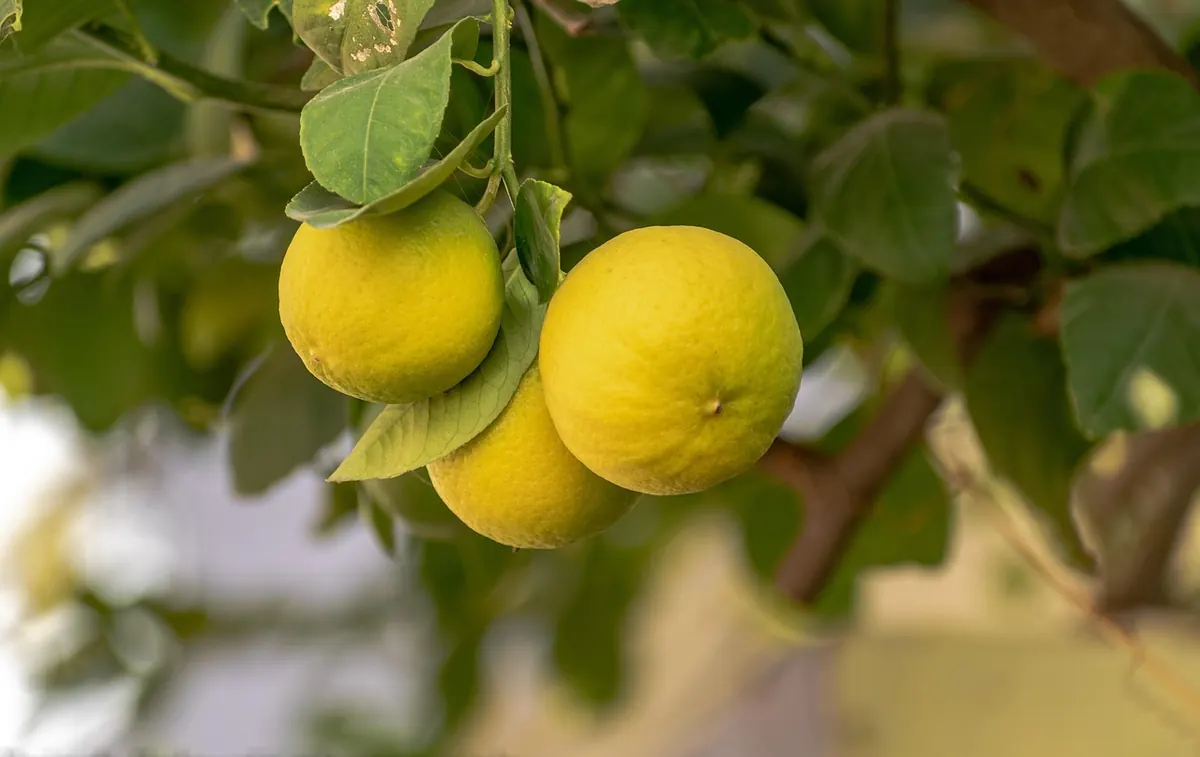
A lemon tree on a balcony looks like a difficult project until you have done it once. Then it becomes a habit: spring flowers, small green fruit swelling through summer, and the first lemon you cut with a thin, fragrant skin that no supermarket fruit can imitate. Most failures come down to two things — the wrong pot, and the first winter. Sort those out early and the rest is rhythm.
A lemon will live in the same container for years, so this is the decision worth slowing down for. For a young nursery plant, choose a pot at least 40 cm across with a volume of 35 to 45 litres — roughly half-barrel size. A tree in a pot that is too small dries out twice a day in July and never builds a decent root system; one in a pot that is far too large sits in wet compost for weeks. If you are moving up a size, go 5 to 8 cm wider, no more.
Terracotta breathes and looks right, but it is heavy and loses moisture fast in heat. Thick plastic or resin holds water more evenly, which matters on a hot balcony, and a pale colour keeps the roots cooler in full sun. Whatever you buy, check the drainage: one hole is the minimum, and a second or third drilled nearby is better.
Stand the pot on feet or two bricks so water leaves freely, and empty the saucer — a pot sitting in an inch of water is the quickest way to lose a citrus. Skip the old layer of gravel in the bottom; it does nothing useful. Drainage comes from the mix and the hole. Use a citrus or loam-based compost with coarse grit or perlite stirred through, about three parts compost to one part grit, and never garden soil, which sets like brick in a container. Citrus likes slightly acid soil, around pH 6 to 6.5, so a mix sold for citrus will suit it.
Choose a mild, overcast afternoon rather than a heatwave, and give yourself an hour.
Lemons want light. Six to eight hours of direct sun is the target, and a south- or south-west-facing balcony will give it. A tree in four hours of sun survives, but it grows leggy, flowers sparingly and holds very little fruit. If your balcony is shaded for much of the day, look for a Meyer lemon: it is the most forgiving of the common varieties and the one most often sold for containers. It is also the least cold-hardy, so plan for that in winter.
Two things get overlooked. A wall that reflects heat can scorch leaves in a heatwave, so leave 30 to 40 cm between the foliage and a sun-baked wall. And wind: a balcony corner can be a wind tunnel, drying the compost faster than sun does and shredding leaves. Rotate the pot a quarter turn every couple of weeks so the tree grows evenly instead of leaning into the light.
Citrus dislikes two things in equal measure — a permanently wet root ball and one that dries out completely. Aim for compost that is consistently moist, like a wrung-out sponge. Push a finger 3 to 5 cm into the pot before watering; if it is dry at that depth, water. Then water thoroughly and slowly until it runs from the base. A small daily splash only wets the surface and leaves the lower roots dry.
In summer a 40-litre pot on a hot balcony can need water every day, sometimes twice during a heatwave; in spring and autumn, every two or three days; in winter, perhaps once a week or less. Water in the morning so the foliage dries before evening, and empty any saucer twenty minutes afterwards.
Yellow leaves that drop at a touch usually mean too much water and a struggling root system. Leaves curling inward and feeling papery mean the opposite. Yellowing between green veins points to a nutrient problem, most often magnesium or iron, rather than to watering at all.
A potted lemon cannot forage, so feeding is not optional. Use a citrus fertiliser that includes trace elements — magnesium, iron, zinc — and follow the label rather than your instincts. A slow-release granule in early spring plus a liquid feed every two to three weeks from March to September is a sensible routine. Stop feeding in late autumn and let the tree rest.
Most balcony lemons are self-fertile, but a little help raises the crop. On a still morning, tickle the inside of each open flower with a soft brush or a fingertip to move pollen around. Expect some young fruit to drop in early summer; that is normal thinning, not failure. On a very young tree it is worth removing the first fruit for a season or two, so energy goes into roots and branches instead.
Prune lightly in late winter or after harvest: dead wood out, crossing branches out, and any strong shoot growing from below the graft union removed entirely. Otherwise leave it alone. Lemons flower on new growth, so a hard chop costs you a season of fruit.
This is where balcony lemons are won and lost. Many lemon varieties take a few degrees of frost for a short spell, but Meyer is tender, and a potted root system is far more exposed than one in the ground. Move the tree against a warm wall, out of the wind, before the first cold night rather than after it. Wrap the pot in bubble wrap or an old blanket — the roots, not the leaves, are the vulnerable part — and drape horticultural fleece over the canopy on frosty nights.
If the tree comes indoors, a cool, bright, frost-free room at 5 to 10 °C is ideal. A warm living room is not: the tree pushes weak growth, drops leaves and attracts pests. Keep it away from radiators, water sparingly but never let it dry out completely, and open a window on mild days for air. Where the tree stays outside, reduce watering so the compost is barely moist, and shake snow off the branches rather than letting it sit.
Expect the first real harvest in the second or third year. Until then, keep the plant steady — same spot, same watering rhythm, no dramatic rescues. A lemon rewards patience far more than enthusiasm.
Photo: LUCA_Finardi / Pixabay
Growing citrus and green life along the streets.
Copyright © 2026 Arancio Della Strada. All rights reserved. Arancio Della Strada.